


Lucky Music
3.8115.00 Reviews
App Specs
- Version
- 1.0.5
- Updated On
- License
- Free
- Downloads
- 500,000+
- Developer
- Lucky-Tech Limited
- Categories
- Music & Audio
- Platform
- Android
Screenshots

 Analysis by AppCompare
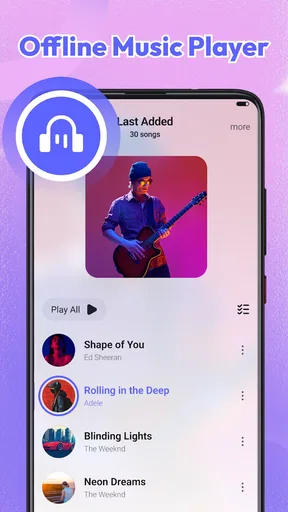
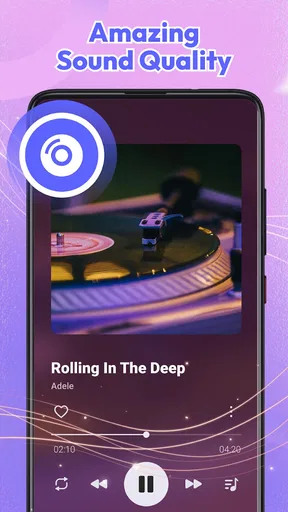
I tend to judge a music app by what it lets me do in the small gaps of a real day, not by how impressive its feature list sounds. Lucky Music is presented as an offline audio app, which makes it most appealing when I want music close at hand without turning every listening moment into a search through streaming catalogs. It is a free Music & Audio app from Lucky-Tech Limited, and its basic pitch points toward convenient access rather than a complicated studio workflow.
A practical place to begin
The first question I’d ask before installing it is what I actually need from a music app. If I mainly want to discover new releases, follow curated playlists, or keep a large cloud library in sync, a familiar streaming service is likely a better fit. If I already have audio I want to listen to and value offline access, Lucky Music is more relevant. That distinction matters: an offline player is useful because of how it handles music you bring to it, not because it automatically replaces every part of a streaming platform.
For a commute, a flight, or a spot with unreliable reception, offline playback can be the difference between having something ready and watching a loading indicator. I’d prepare the audio I want before leaving home and check that it is available in the app while still connected. That small habit avoids the common frustration of assuming an offline setup is ready, only to find that the desired track is not on the device when the connection disappears.
The app is free, carries an Everyone age rating, and has a 3.8 average from around 1.3K ratings, with about 115 written reviews. It has over 500K installs, so it has reached a meaningful audience, although those figures alone do not tell me whether its particular approach suits my listening habits. I’d treat the rating as a reason to try it with a specific need in mind, rather than as proof that it will work equally well for every music library.
Getting Started with Lucky Music
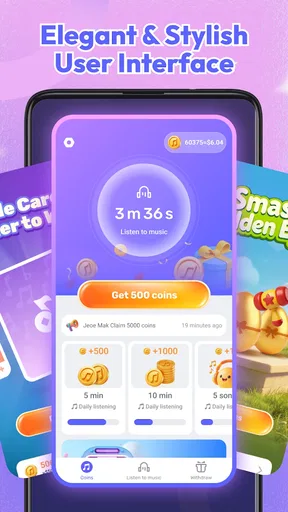
First off, downloading Lucky Music is a breeze. Available on both Android and iOS, just a few taps and you’re ready to roll. The app interface is sleek and intuitive, which is super handy if you’re like me and don’t want to spend hours figuring out where everything is. It’s got that clean, modern vibe, making it easy to navigate even if you’re not tech-savvy.
Features That Hit the Right Notes
What really sets Lucky Music apart is its impressive range of features. It’s like having a mini recording studio in your pocket. You can mix tracks, add beats, and even experiment with different sound effects. There’s an extensive library of loops and samples, so you can let your creativity run wild. Whether you’re into hip-hop, rock, or electronic music, there’s something here for everyone.
One of my favorite features is the live mixing option. It’s perfect for those spontaneous moments when inspiration strikes. Plus, the app supports MIDI controllers, which is a huge win for those who take their music-making seriously. Let’s just say, it’s got the power to turn your ordinary day into a jam session.
Worth Reading Before You Choose

Flipboard Shows What News Apps Must Do Beyond the Feed

Switching to Android Auto Means Rethinking Your Driving Routine

Google Calendar Makes a Crowded Week Easier to Manage

Ludo King Makes the Most of the Minutes Between Plans

Baby Panda World Brings Quick Play to Modern Phones, but Its Game Library Feels Busy

ESPN’s Live Game View Makes Following Close Games Easier
Working within its creative limits
That creative angle deserves a practical check before you treat the app as a production tool. Making a mix or trying out sounds on a phone can be enjoyable, but it is not the same as having a dependable project workflow on a computer. I would use a mobile session to sketch an idea, test how two tracks feel together, or keep myself entertained while travelling. For a finished arrangement that needs precise editing, repeatable levels, and a reliable handoff to collaborators, I would still reach for a desktop audio program unless I had confirmed that the app covers the exact steps I need.
A useful way to work is to keep the first session deliberately small. Try one short mix or a simple beat idea, then listen back with headphones and again through the phone speaker. The change in playback can reveal whether a sound that seemed balanced in headphones overwhelms everything else on a smaller speaker. This is a listening check rather than a promise of a particular mastering tool, and it helps me avoid mistaking a fun draft for a finished track.
Live mixing also suits a different mindset from careful editing. It rewards quick decisions and can make a casual listening session feel active, but spontaneous adjustments are harder to reproduce if I have not noted what I changed. When I find a transition or combination I like, I would make a quick written note or record a reference outside the app if that fits my setup. That simple habit is especially useful if I plan to revisit the idea later rather than treating the moment as a one-off experiment.
Simplicity Meets Innovation
Now, you might be wondering, is it user-friendly? Absolutely! The developers have done a fantastic job ensuring that you don’t need a degree in music technology to enjoy the app. Each feature is easy to access, and the learning curve is surprisingly gentle. I found myself creating decent tracks within just a few hours, and I’m no pro DJ!
The app also includes a tutorial section, which is a lifesaver for beginners. It walks you through the basics, ensuring you know your way around before diving into more complex features. This approach makes it accessible to everyone, from novices to seasoned music producers.
Making a routine that works offline
For a realistic everyday example, imagine taking a train where reception drops in and out. I’d choose a few tracks while I still have a connection, make sure they are ready for offline listening, and then use the ride either to listen or to try a quick live mix. I would not wait until the train is moving to organize a session, because even a useful offline player cannot help if the music I want has not been made available locally. This kind of preparation is less glamorous than a studio feature, but it is what makes an offline-first habit dependable.
If I were using the app for a creative idea, I’d separate experimenting from keeping a final version. I might explore a beat or a transition during a break, then return later with a clearer ear before deciding whether it is worth developing. A phone is excellent for catching a thought before it disappears; it is less comfortable for long sessions that demand fine control. The trade-off is convenience versus precision, and knowing which one matters on a given day keeps the app enjoyable instead of frustrating.
For someone deciding whether a MIDI controller belongs in the setup, I’d start with the simplest connection they already understand rather than buying hardware for an untested workflow. Controller support can be valuable when physical controls feel more natural than tapping a screen, but it does not by itself guarantee that every controller will behave as expected or that a mobile setup will replace a full production desk. Try the app’s basic touch controls first; if you keep wishing for knobs or keys, then controller-based use may be worth exploring.
Iteration without overpromising
One question a creator may have is whether a phone-made idea can become a polished release. I would treat Lucky Music as a place to experiment and enjoy mixing, not assume that it is a complete publishing pipeline. The practical next step is to keep expectations modest: test an idea, decide whether it has potential, and use a separate tool for any editing or delivery work that the app does not clearly support. That is not a knock against a mobile music app; it is a sensible boundary between a creative sketchpad and a production workstation.
Another useful question is whether offline use means every part of the experience works without a connection. I would plan around the core listening task and make sure my chosen music is ready before going offline. Sharing work or reaching online services naturally depends on being connected, so I would save those steps for later rather than build a travel plan around them. This keeps the offline advantage practical and avoids expecting a network-dependent action to happen in airplane mode.
Lucky Music is on version 1.0.5 and requires Android 7.0 or later. I’d check the requirements on the device I plan to use before relying on it for a trip or a session, especially if that device is older. Since the app is still at an early version number, I’d also keep a separate copy of anything I consider important rather than making a single mobile project the only home for a creative idea.
Community and Connectivity
One thing that really surprised me about Lucky Music is the vibrant community it fosters. The app allows you to share your creations with other users, and you can even collaborate on projects. It’s like having a global band at your fingertips. The feedback from the community is generally positive and constructive, helping you improve your skills as you go.
Moreover, the app connects seamlessly with social media platforms, making it easy to showcase your latest tracks to the world. Whether you’re aiming for a few likes or trying to catch the attention of music producers, Lucky Music has you covered.
For anyone who wants to share work, I’d think about the handoff before posting. A social post can be a convenient way to let friends hear something, but it is not automatically the same as delivering a clean, editable project to a collaborator. If the next person needs to continue mixing, ask what format and tools they can use before building a workflow around a share button. If the goal is simply to get a reaction to an idea, a quick post or conversation may be all that is needed.
Community feedback is most useful when I ask a focused question. Instead of asking whether a track is “good,” I might ask whether the transition feels abrupt or whether the beat is distracting. Specific feedback gives me something I can act on, while broad reactions can be hard to translate into a next step. I would also remember that a friendly community response is encouragement, not a substitute for checking the mix on different headphones and speakers.
Who will get the most from it
I can see this app suiting listeners who want an offline option and casual creators who enjoy trying mixes or beats without setting up a computer. It is especially appealing if you like the idea of turning spare time into a small listening or creative session. Beginners may appreciate having tutorials to get oriented, while more experienced users may value the option to use a MIDI controller for hands-on input.
I would skip it if my main goal were broad music discovery, managing a large streaming subscription, or producing a release through a tightly controlled studio workflow. In those cases, a streaming service or desktop production software is likely to be more appropriate. The distinction is not that one kind of app is better for everyone: Lucky Music’s appeal depends on whether offline listening and mobile experimentation are the jobs I actually need done.
When comparing it with the usual alternatives, I think of three separate needs. Streaming apps are built around finding and playing catalog music, desktop production tools around detailed editing and delivery, and a mobile app like this around keeping listening and creative play accessible on a phone. Those categories overlap, but they are not interchangeable. If I expect one small app to handle discovery, studio production, backup, collaboration, and publishing equally well, I am setting myself up for disappointment.
The Final Beat
So, is Lucky Music worth the download? If you’re passionate about music or simply looking for a fun, creative outlet, I’d say absolutely yes. It offers a perfect blend of simplicity and powerful features, making it suitable for anyone with a musical itch to scratch. Whether you’re creating tracks for fun or working on your next big hit, this app is a delightful companion.
So, why not give it a try? With its user-friendly interface and extensive features, Lucky Music might just be the key to unlocking your musical potential. Ready to make some music magic?
My recommendation is to approach it with one clear purpose for the first few days: offline listening, quick mixing, or learning the basics. That makes it easier to tell whether the app fits your routine instead of judging it against a studio setup or a streaming library it is not meant to replace. If that small, phone-sized role is what you want, it is a reasonable free app to try; if you need dependable end-to-end production, I’d choose a more specialized tool.
Pros
- Intuitive user interface for easy navigation.
- Extensive library of music tracks available.
- Offline mode for music listening without data.
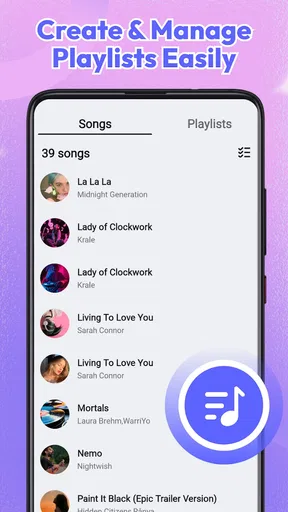
- Customizable playlists for personal preferences.
- High-quality audio streaming options.
Cons
- In-app ads can be intrusive at times.
- Limited free features without subscription.
- Occasional bugs with playlist syncing.
- Some features require stable internet.
- Subscription cost may be high for some.
FAQs for Lucky Music
What is Lucky Music, and how does it work?
Lucky Music is a versatile music app designed to enhance your listening experience. It offers a wide variety of music genres, playlists, and personalized recommendations based on your listening habits. Users can stream music online or download tracks for offline listening. The app also includes features like a music editor and a community section for sharing and discovering new music.
Is Lucky Music free to use, or does it require a subscription?
Lucky Music offers a free version with basic features, including access to a limited music library and standard-quality streaming. For an ad-free experience, high-quality audio, and additional features like offline downloads and unlimited skips, users can opt for a premium subscription, which offers a monthly or annual payment plan.
What platforms is Lucky Music available on?
Lucky Music is available for both Android and iOS devices. Users can download it from the Google Play Store for Android or the Apple App Store for iOS. The app is optimized for smartphones and tablets, ensuring a seamless music experience across different devices.
Can I use Lucky Music offline?
Yes, Lucky Music offers an offline mode for premium subscribers. This feature allows you to download your favorite tracks and playlists to your device, so you can listen to them without an internet connection. This is particularly useful for commuting or areas with limited connectivity.
Does Lucky Music offer any social features?
Lucky Music includes several social features that enhance the user experience. You can follow other users, share playlists, and discover new music through community recommendations. The app also allows you to connect with friends to see what they are listening to and collaborate on shared playlists, making music a more interactive and social experience.


